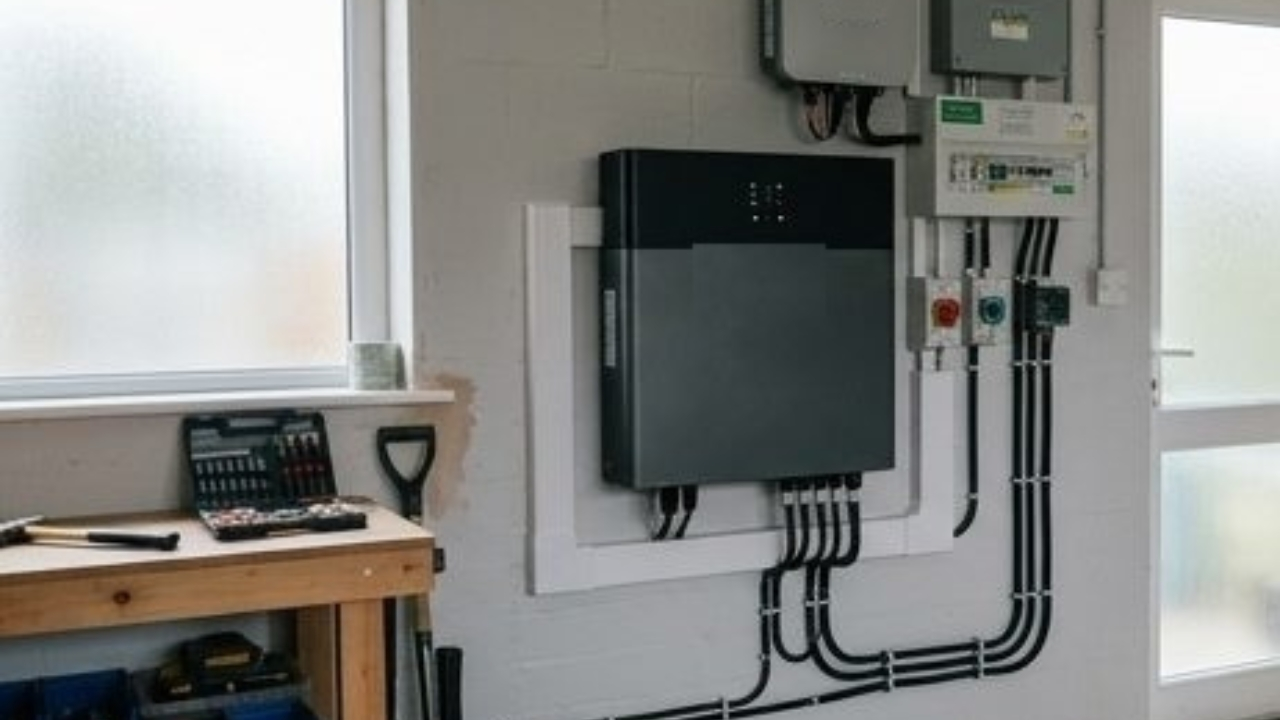
If you already have solar panels on your roof, you’ve probably noticed those sunny afternoons where your system is generating far more electricity than you can actually use. That surplus heads straight to the grid, and while export payments are welcome, they’re a fraction of what you’d save by using that energy yourself. So the big question lands can you add a battery to the setup you’ve already got?
Yes, in most cases you absolutely can retrofit a solar battery to an existing solar PV system. Whether you had panels installed last year or five years ago, adding battery storage is a common upgrade that thousands of Irish homeowners have already made. The process involves either pairing a battery with your current inverter (if it’s battery-compatible) or adding a separate hybrid inverter alongside your new battery. It’s not as complicated as it sounds, and a qualified installer can usually complete the work in a single day.
That said, the specifics matter. Not every inverter plays nicely with every battery, and your electrical panel setup might need minor adjustments. Below, we’ll walk through how the retrofit process works, what it typically costs in Ireland, and how to figure out whether a battery genuinely makes financial sense for your home.
How Does Retrofitting a Battery to Solar Panels Work?
When your solar panels were first installed, the system was likely configured as a straightforward grid-tied setup. Panels generate DC electricity, your inverter converts it to AC, and whatever you don’t use gets exported. Adding a battery introduces a storage step into that chain, capturing excess generation for use later in the evening or overnight.
AC-Coupled vs DC-Coupled Systems
There are two main approaches to retrofitting battery storage, and the right one depends on what equipment you currently have.
With an AC-coupled system, the battery gets its own separate inverter (or a built-in one) and connects to your home’s AC electrical circuit alongside the existing solar inverter. This is the most common retrofit method because it works with virtually any existing solar setup regardless of what inverter brand you’re running.
A DC-coupled approach connects the battery directly to the DC side of your solar array, but this typically requires replacing your existing inverter with a hybrid model that handles both solar input and battery charging. If your current inverter is approaching the end of its lifespan (they generally last 10 to 15 years), this route can make good sense because you’re upgrading the inverter anyway.
Compatibility Checks
Before any work begins, your installer will assess what inverter you have and whether it can communicate with modern battery systems. Brands like Huawei and Solis, which Going Solar regularly install as part of their residential solar panel systems, are designed with battery expansion in mind, making the retrofit process smoother. Older or budget inverters might not offer the same flexibility, which is where an AC-coupled solution or a full inverter swap comes in.
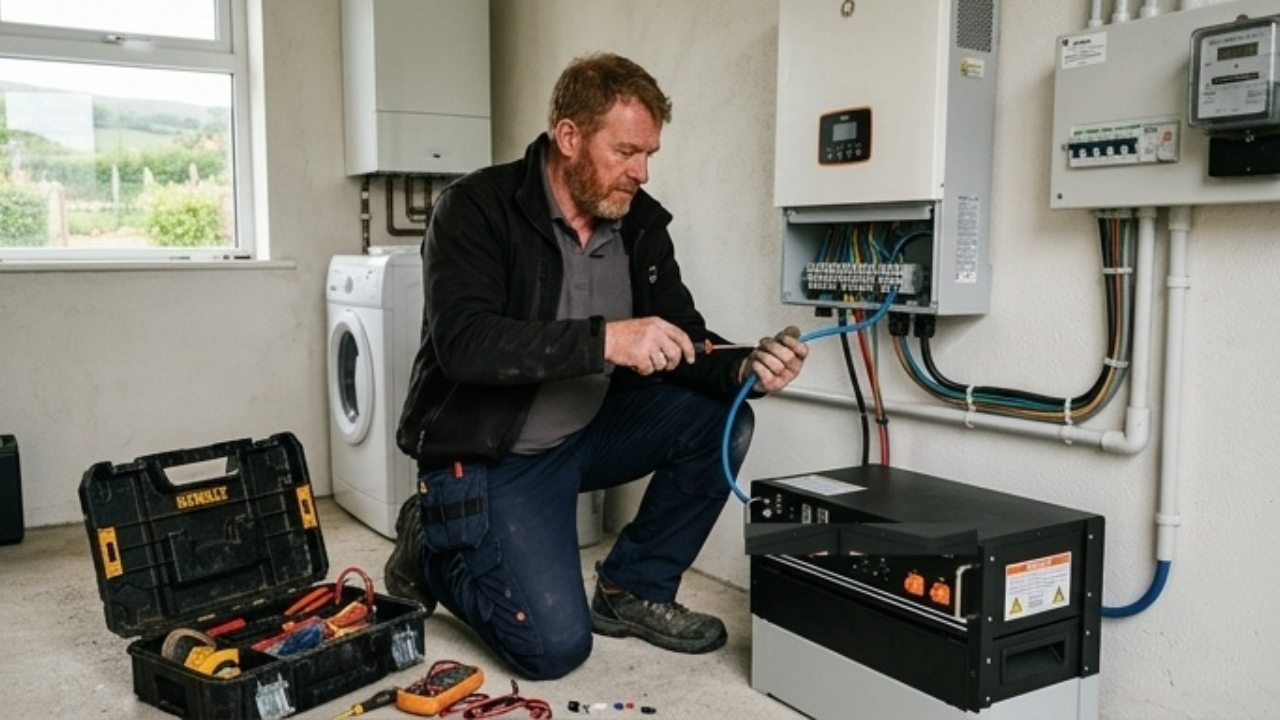
What Does It Cost to Add Battery Storage in Ireland?
Pricing for a retrofit battery installation varies depending on the battery capacity, the brand, and whether you need any inverter changes. As a general guide, most homeowners in Ireland can expect to pay between €3,000 and €6,000 for a battery storage addition, though larger or premium systems can push above that range.
Here’s what influences the final figure:
- Battery capacity (measured in kWh), with most homes opting for 5kWh to 10kWh
- Whether your existing inverter is battery-ready or needs to be replaced
- Brand and model, as options like Huawei, Puredrive, FoxESS and Kstar all sit at different price points
- Electrical panel upgrades if your consumer unit needs modifications
- Installation complexity, including cable runs and mounting location
It’s worth remembering that Ireland currently has 0% VAT on solar installations, and this extends to battery storage added as part of a solar energy system. That takes a meaningful chunk off the upfront investment. However, as of now, the SEAI solar electricity grant of up to €1,800 applies to the solar panel installation itself, and you should confirm with your installer whether the battery portion of a retrofit qualifies for any grant support, as eligibility criteria can shift.
Is Battery Storage Worth It Financially?
This is the question that really matters, and the honest answer is it depends on your household’s energy patterns.
A battery makes the strongest financial case when you’re exporting a lot of solar electricity during the day because nobody is home to use it. Instead of selling that energy back at a relatively low export rate (typically around 18 to 24 cents per kWh depending on your supplier), you store it and use it in the evening when electricity from the grid costs significantly more.
When Batteries Pay for Themselves Faster
Homes with higher evening electricity consumption see the biggest benefit. Think families that run dishwashers, washing machines, and heating systems after 5pm. A well-sized battery can cover most of that evening demand with free solar energy that would otherwise have been exported for a fraction of its real value.
If you’re on a smart meter with time-of-use tariffs, the maths gets even more favourable. You can charge the battery during cheap daytime hours (from both solar and the grid) and discharge during peak-rate periods.
When Batteries Take Longer to Pay Back
If you work from home and already use most of your solar generation during daylight hours, a battery won’t save as much because there’s less surplus to store. Similarly, if your solar system is relatively small (say 2 to 3kWp), it may not generate enough excess to fill a battery regularly. In these cases, the payback period stretches out and the return becomes more modest. A good installer will be upfront about this rather than pushing a sale that doesn’t make sense for your situation, which is something Going Solar’s engineering-led consultations are built around as part of their solar calculator and assessment process.
What Battery Brands Work With Existing Solar Systems?
The Irish market has a solid range of battery options suitable for retrofit installations. The right choice depends on your existing equipment, your budget, and how much storage capacity you need.
Huawei batteries integrate seamlessly with Huawei SUN2000 inverters, creating a tightly connected ecosystem with excellent monitoring through a single app. If you already have a Huawei inverter, this is typically the cleanest upgrade path.
Puredrive batteries are designed for maximum self-consumption, using smart algorithms to learn your energy patterns and optimise when to charge and discharge. FoxESS batteries offer good flexibility and compatibility across multiple inverter brands, making them a solid option for AC-coupled retrofits. Kstar batteries provide reliable storage at a competitive price point and are well suited to standard residential setups. Each of these brands is available through Going Solar’s product range, and the installer will match the battery to your specific system configuration during the design and consultation stage.
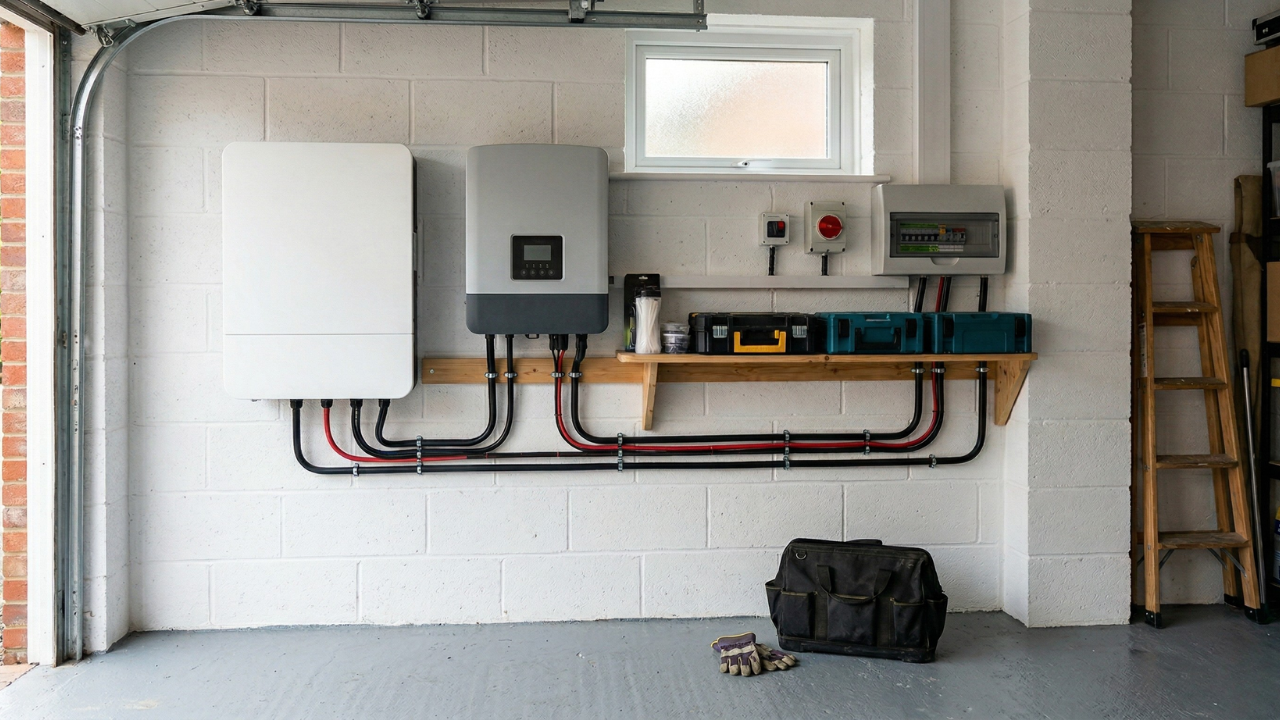
How Long Does It Take to Install a Retrofit Battery?
Most retrofit battery installations for residential properties take between half a day and a full day. The battery unit itself is wall-mounted (typically in a garage, utility room, or similar indoor space) and connected to either the existing inverter or a new hybrid unit.
The installer will also configure your monitoring system so the battery shows up in your app alongside your solar generation and consumption data. If you’re already familiar with checking your solar performance on your phone, you’ll simply see an extra layer of information showing battery charge levels and discharge cycles.
Downtime on your existing solar system is minimal. In most cases, the panels are only offline for a short window while the battery is connected and the system is recommissioned.
Should You Get a Bigger Solar System at the Same Time?
This comes up a lot, and it’s a fair question. If you’re already bringing an installer out to add a battery, it might make sense to add extra panels at the same time, especially if your roof has space and your current system is on the smaller side.
A larger solar array generates more surplus, which means more energy to store and more savings overall. For homeowners who originally installed a 3kWp system and now find their energy needs have grown (perhaps with an electric vehicle or a heat pump), upgrading to 5 or 6kWp alongside a battery can make a real difference. Going Solar’s team, backed by their ISO 9001 certified processes and experience across 8,000-plus residential installations, can assess whether expanding the array makes engineering and financial sense for your specific home.
When Should You Call an Installer?
If you’ve been thinking about adding a battery to your existing solar panels, the best starting point is a proper assessment from a certified installer. Not every home benefits equally from battery storage, and you want honest advice rather than a generic sales pitch.
Look for an SEAI-approved installer with experience in retrofit battery work, not just new-build solar installations. Ask what battery brands they carry, whether your existing inverter is compatible, and get a written breakdown of expected costs and savings. Going Solar, operating from their base in Dublin 17, regularly handles battery retrofits across Dublin and Leinster, and their Safe Electric registered electricians ensure everything meets Irish safety standards.
If you’re sitting on a solar system that exports half its generation every day, adding a battery could be the smartest energy investment you make this year. Get a proper quote, run the numbers for your household, and make the decision based on real data rather than guesswork.