A 16kW solar system in Ireland typically costs between €16,000 and €25,000 before any grant, depending on the equipment tier and whether you add battery storage. That puts the 16kW solar system cost well above a standard home install, because a system this size is built for large properties, businesses and farms rather than an average three-bed house.
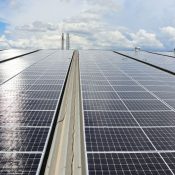
At 16kW you are looking at roughly 36 to 40 panels, enough to run a busy commercial unit, a dairy or poultry shed, or a high-consumption home with an EV and a heat pump. The headline price matters, but the grant you qualify for and how you are paid for exported power change the real figure more than the sticker does.
Two things trip people up at this size. The grant for a system this big works differently from the familiar €1,800 home grant, and the payment for exported electricity is often described wrongly. Here is what a 16kW system actually costs, and what brings that number down.
How Much a 16kW Solar System Costs in Ireland
A 16kW solar system in Ireland usually costs €16,000 to €25,000 fully installed, before any grant is applied. Panels and the inverter make up most of that figure. Adding battery storage pushes it higher, often by several thousand euro, while a straightforward roof and simple electrics keep it toward the lower end.
That installed price generally covers:
- Around 36 to 40 panels, sized to the available roof or ground area
- A commercial-grade inverter, or a pair of inverters on larger arrays
- Mounting suited to the roof type, from tile and slate to metal deck or flat-roof ballast
- Full electrical connection, commissioning and a monitoring app
- Design, site survey and grant paperwork

Battery storage is the main optional extra. It lifts self-use in the evenings and raises the upfront cost, so it earns its place on sites that draw a lot of power after the sun drops.
What Affects the Price of a 16kW Solar System
Four things move the price of a 16kW system most: the panel and inverter tier you choose, whether you include battery storage, the roof or mounting type, and how much electrical upgrade the site needs. Equipment and battery decisions drive the biggest swings, often several thousand euro either way.
The mounting alone varies a lot between a slate roof, a metal farm shed and a flat commercial roof, which is why a proper commercial solar installation is quoted per site rather than off a price list. The main cost drivers are:
- Panel and inverter tier. Premium Tier 1 panels and hybrid inverters cost more than entry kit but hold output longer.
- Battery storage. Optional, adds to the price, and improves evening and weekend self-use.
- Roof or ground mount. Tile, slate, metal deck, flat-roof ballast and ground mounts each differ in labour and materials.
- Electrical works. An older board, a three-phase supply or a long cable run all add cost.
- Access. Height and site access affect install time and scaffolding.
Which Grants Apply to a 16kW Solar System in Ireland
A 16kW system sits above the domestic grant cap, so the grant you claim depends on who you are. Businesses, farms and community groups can use the SEAI Non-Domestic Microgeneration Grant, which currently covers up to 45% of eligible costs for applications made by 6 July 2027. Farms can claim 60% through TAMS 3 instead. Homeowners get grant support on the first 4kWp only.
| Buyer | Grant scheme | What a 16kW system can get |
| Business or community | SEAI Non-Domestic Microgen | Lower of €10,800 or 45% of the ex-VAT invoice, for applications made by 6 July 2027 |
| Farm | TAMS 3 | Up to 60% of eligible cost, within a €90,000 investment ceiling |
| Business, farm or community | SEAI Non-Domestic Microgen | €1,800 on the first 4kWp, plus €600 with a battery of 5kWh or more |
Business and Community Grants Through the Non-Domestic Scheme
Businesses, farms, schools and community groups claim the SEAI Non-Domestic Microgeneration Grant. For new applications made by 6 July 2027, a 16kW system qualifies for up to €10,800, paid as the lower of that figure or 45% of the eligible invoice excluding VAT. Applications made before the change stay on their original offer.
A letter of offer must be in place before work starts, and the full detail sits with SEAI’s commercial solar grant guidance if you want to check eligibility first.
Home Solar Grants Stop at the 4kWp Cap
Homeowners putting a 16kW system on a large house still only get grant support on the first 4kWp, worth €1,800, plus €600 if a battery of 5kWh or more goes in. The house must have been built and occupied before 2025. The remaining capacity carries no domestic grant.
Farm Solar Grants Through TAMS 3
Farmers claim solar through TAMS 3, which covers 60% of eligible costs within a €90,000 investment ceiling, well above what the business scheme pays. A 16kW system aimed at on-farm use fits comfortably inside standard farm limits. TAMS 3 and the non-domestic grant can’t be combined on the same installation, so a farm picks one route.
How Much VAT You Pay on a 16kW Solar System
VAT on a 16kW system depends on the property. Homes pay 0% VAT on solar supply and installation, a relief that applies to private dwellings. A business or farm pays the standard VAT rate on the install, but a VAT-registered company can usually reclaim it, so the real cost after reclaim often looks lower than the first quote suggests.
This is a genuine swing at 16kW, so confirm your VAT position with your accountant before you compare prices across installers.

How Exported Electricity Is Paid Through the Clean Export Guarantee
Exported electricity from a 16kW system is paid for through the Clean Export Guarantee (CEG), a per-unit payment credited to your electricity account. Ireland does not run a feed-in tariff. The CEG rate is set by your supplier, which is why it pays to compare offers rather than assume they all match.
How the payment works:
- You are paid per kWh for the surplus your system sends to the grid
- Your supplier sets the rate, which has ranged from about 15c to 32c per kWh across recent price lists
- Payment is credited to your electricity account, usually on the bill
- Rates change, so compare suppliers before you switch
The rules sit with the official microgeneration scheme, which sets who can export and how payment is made. For homes, part of the export income is free of tax up to a yearly limit, while for a business it counts as trading income, so build it into your figures with your accountant.
What a 16kW Solar System Can Save You
A 16kW system can offset a large share of a daytime electricity bill, and most commercial installs this size pay for themselves in four to seven years. A 20kW commercial system typically saves around €6,000 a year, so a 16kW system lands a little below that, depending on how much power the site uses during daylight.
The more of your own solar you use directly, the faster the payback, because every unit you use is a unit you are not buying at the retail rate. Typical returns on commercial solar run from 14% to 25%, over systems that last 25 years or more. The grant and the export income both shorten the payback further.
Run your roof size and daytime usage through the figures to see where your own payback lands.