Getting solar panels installed is one of the best decisions you can make as an Irish homeowner. But once the system is up and running, a common question crops up almost immediately. Do you actually need to let your electricity supplier know?
The short answer is yes, you should notify your electricity supplier that you have solar panels. While there’s no single law that says you’ll be fined for not telling them, notifying your supplier is necessary if you want to access microgeneration export payments (selling your excess electricity back to the grid). You’ll also need to ensure your meter is compatible with a solar PV system and that ESB Networks has been informed so your connection is safe and compliant.
Beyond the legal and technical side, there’s a practical reason too. If you don’t register properly, you could be generating excess power and sending it to the grid for free, with no payment coming back to you. That’s money left on the table every single month. Below, we’ll walk through exactly what you need to do, who you need to contact, and how the process works in Ireland right now.
Why Should You Notify Your Electricity Supplier?

When you install solar panels, your home goes from being a pure consumer of electricity to something that both uses and produces power. That changes your relationship with the grid in a meaningful way.
Metering and Billing Accuracy

Older electricity meters in Ireland weren’t designed for homes that generate their own power. Some older models can actually run backwards when you’re exporting solar energy, which creates billing confusion. ESB Networks needs to know about your system so they can check whether your meter needs to be upgraded to a smart meter or a bi-directional meter that tracks both import and export separately.
Microgeneration Export Payments
Since 2022, Irish electricity suppliers have been required to offer a Clean Export Guarantee (CEG) payment to eligible microgeneration customers. This means you get paid for every unit of excess solar electricity you send back to the grid. But you won’t receive a cent unless you’ve registered with your supplier and been set up on the right tariff. Different suppliers offer different rates per kWh exported, so it’s worth comparing what Electric Ireland, Energia, SSE Airtricity, Bord Gais and others are offering, as these rates can vary quite a bit.
Who Exactly Do You Need to Contact?

This is where people sometimes get confused. There are two separate entities involved, and you need to deal with both.
ESB Networks (Distribution System Operator)
ESB Networks manages the physical electricity grid. They need to know about any generation source connected to their network for safety and technical reasons. Your solar installer should submit an NC6 declaration form to ESB Networks on your behalf. This form confirms that the installation meets the required safety standards and has been completed by a qualified, SEAI-registered installer with Safe Electric certification. If you’ve gone with a reputable company like Going Solar, they handle this paperwork as part of their standard installation process, which takes a lot of the headache out of it.
Your Electricity Supplier
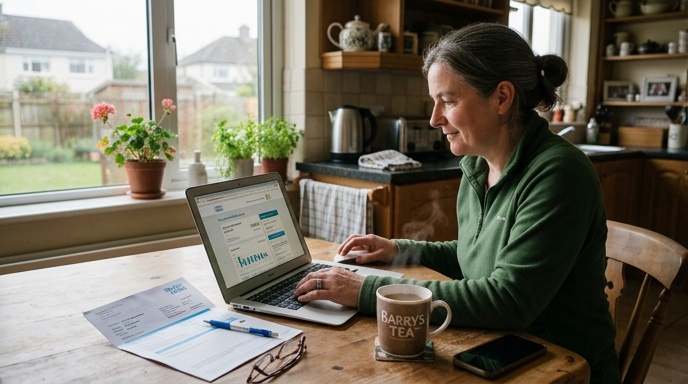
Separately, you need to contact your actual electricity supplier (whoever you pay your bills to) and let them know you now have a solar PV system. This is the step that gets you registered for export payments. Each supplier has their own registration process, but it typically involves filling in an online form or calling their customer service team with your MPRN (Meter Point Reference Number) and details of your solar system size.
What Happens If You Don’t Tell Them?
Let’s be clear about the risks. Nothing dramatic is going to happen overnight. Nobody is going to cut off your electricity. But there are real consequences to staying silent.
First, you won’t receive any export payments. If your system generates more than you use during the day (and most systems do, especially in summer), that surplus electricity goes to the grid, and you get nothing back for it. Over a year, that could mean missing out on a meaningful sum.
Second, your metering could be inaccurate. If your old meter isn’t recording things correctly, you might end up with disputed bills down the line. Getting a smart meter installed (which ESB Networks is rolling out nationally) sorts this issue, but they need to know you have solar panels to prioritise the upgrade.
Third, and this matters if you ever sell your home, having a properly registered and compliant solar installation adds to your property’s credibility. Buyers and their solicitors will want to see that everything was done correctly, including grid notification. A well-documented installation, particularly one completed by an ISO 9001 certified installer, gives buyers confidence that the system is safe and built to last.
How Does Your Solar Installer Help With All of This?
If you’re working with a professional, SEAI-approved solar installer, most of this administrative work should be handled for you. That’s one of the biggest advantages of choosing a full-service company rather than going with a budget outfit that disappears after installation day.
Going Solar, for example, manage the entire process from start to finish. That includes the SEAI grant application (worth up to €1,800 for homeowners), the NC6 form submission to ESB Networks, and guiding you through the supplier registration for export payments. With over 8,000 residential installations completed across Ireland, they’ve streamlined this process so homeowners don’t have to chase paperwork themselves. You can read more about how their residential solar service works on their website, which breaks down each step of the journey clearly.
This full-service approach is something customers consistently mention in reviews. Having the grant paperwork, grid notifications, and monitoring app setup all taken care of means you can focus on what actually matters: watching your electricity bills drop.
What About Planning Permission and Other Notifications?
While we’re on the topic of telling people about your solar panels, it’s worth covering a few other common questions homeowners ask.
Planning Permission
For most residential solar panel installations in Ireland, you don’t need planning permission. The standard exemption covers systems up to 25 square metres in area and where the panels don’t project more than 150mm above the roof surface. There are some exceptions for apartments, protected structures, or homes in architectural conservation areas, so if your property falls into any of those categories it’s worth checking with your local authority first.
Home Insurance
It’s sensible to let your home insurance provider know you’ve added solar panels. They’re a permanent addition to your property that increases its value, and you’ll want them covered against damage, storms, or theft. Most insurers in Ireland don’t charge extra for solar panels, but failing to declare them could cause problems if you ever need to make a claim.
BER Assessor
If you’re planning to update your Building Energy Rating, your BER assessor needs to know about the solar installation. Solar panels can significantly improve your BER, which is a real bonus if you’re thinking about selling or renting your property. Many homeowners who’ve had solar panels installed in Dublin and across Leinster have seen their BER jump by one or two grades after installation.
Step-by-Step Checklist for Notifying the Right People
To make this as simple as possible, here’s what you need to do once your solar panels are installed. If your installer is handling most of it (as they should), confirm each step has been completed.
- Confirm your installer has submitted the NC6 form to ESB Networks
- Contact your electricity supplier to register as a microgeneration customer
- Provide your MPRN and system details (panel capacity in kWp) to your supplier
- Check whether your meter needs upgrading to a smart or bi-directional meter
- Notify your home insurance company about the installation
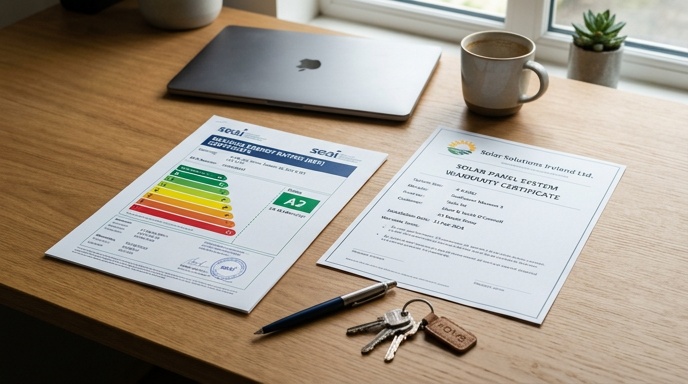
- Keep all installation certificates, warranty documents, and the SEAI grant confirmation in a safe place
- If selling your home, ensure the solar system details are included in BER assessment and property documentation
Most of these steps take just a phone call or a short online form. The whole notification process shouldn’t take more than an hour or two of your time when your installer has already done the heavy lifting. Going Solar’s team, for instance, walk customers through each of these points after installation, and their blog covers common post-installation questions in more detail if you want to do some reading beforehand.
Can You Switch Electricity Suppliers After Getting Solar?
Absolutely. Having solar panels doesn’t lock you into any particular electricity supplier. You’re free to switch whenever you like, just as you would without panels.
The one thing to keep in mind is that when you switch, you’ll need to re-register as a microgeneration customer with your new supplier. Export tariff rates vary between suppliers, so it’s actually worth shopping around. Some suppliers offer better CEG rates than others, and a few have specific solar-friendly tariffs that could save you more overall. Just make sure you don’t fall between the cracks during a switch and miss out on export payments for a billing cycle or two.
Get It Done Right From Day One
Telling your electricity supplier about your solar panels isn’t complicated, but it is necessary. It protects your billing accuracy, unlocks export payments you’re entitled to, and keeps your installation fully above board. The easiest way to handle it is by choosing an installer who takes care of the admin alongside the physical installation.
If you’re considering solar for your home and want the entire process managed from consultation through to grid registration, get in touch with Going Solar for a free quote. With 8,000+ installations behind them and full SEAI grant handling included, they make the whole experience genuinely hassle-free.