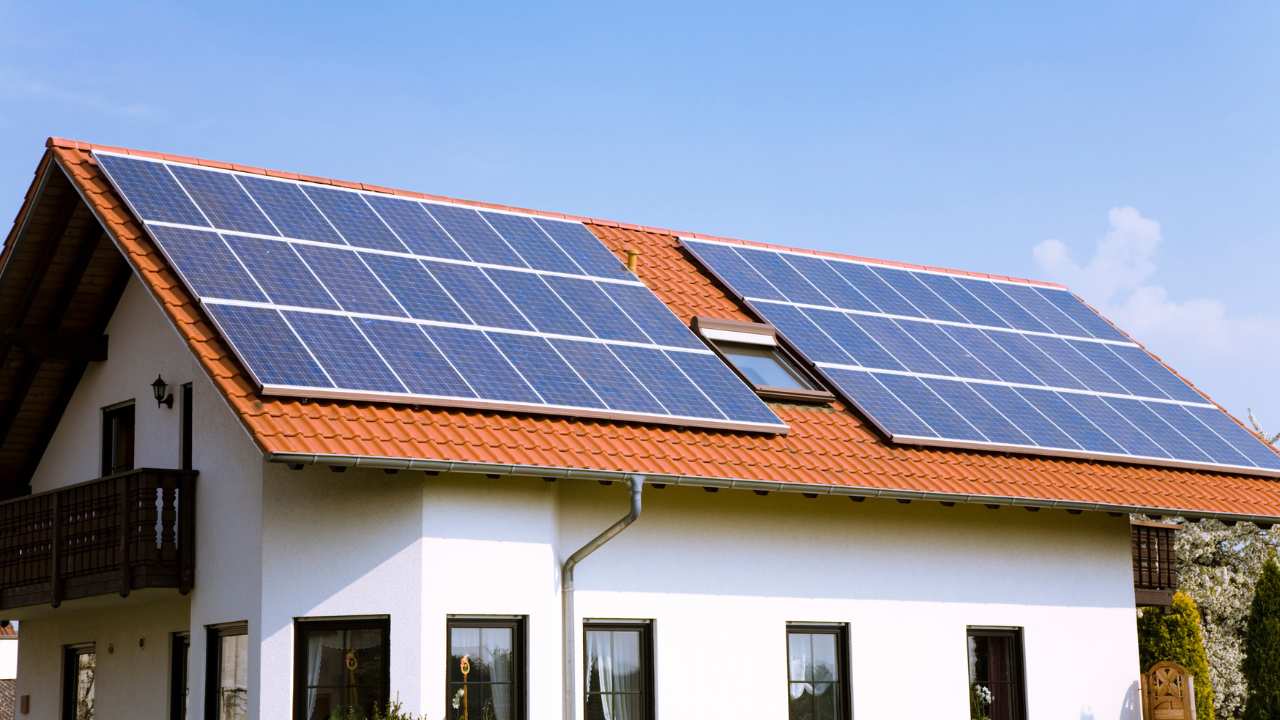
Solar panels do not produce electricity in the same way in every home, and roof direction is one of the main reasons for this. The way a roof faces affects when energy is generated during the day and how much of that power you can actually use. In Ireland, sunlight conditions and daily routines mean the ideal setup is not always obvious.
In this blog, we will explain how orientation affects solar performance and why south, east, west, and split systems can all work well. Understanding these differences helps homeowners make informed choices based on real-world use rather than assumptions.
Let’s start!
Why the Direction of Your Roof Makes a Difference?
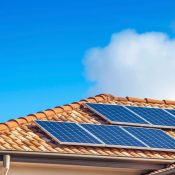
Solar panels work best when they receive steady sunlight throughout the day. The direction your roof faces determines how much sunlight the panels receive and when during the day it happens.
In Ireland, sunlight levels change with the seasons, so roof orientation plays a bigger role than many people expect. A well-positioned roof can help panels produce more electricity over the year.
Roof angle also matters, as it affects how sunlight hits the panels during different times of day. Because Ireland’s climate differs from that of warmer countries, the most suitable setup here is not always the same as in southern Europe.
How Does Roof Direction Shape Solar Output in Ireland?
Understanding how orientation affects solar performance helps explain why some homes generate more usable solar power than others.
The way your roof faces changes when energy is produced during the day, not just how much is produced overall.
1. South-Facing Roofs
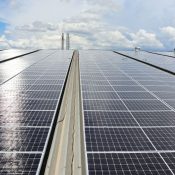
A south-facing roof usually receives the most balanced sunlight across the day in Ireland. This allows panels to generate electricity steadily from late morning through the afternoon. Because sunlight exposure is more consistent, annual output is typically higher compared to other orientations.
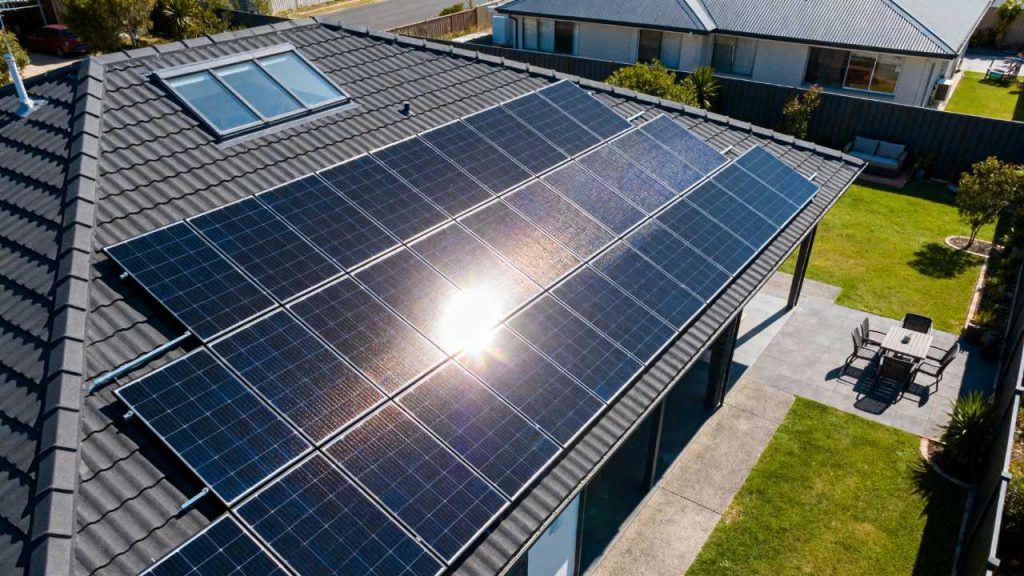
South-facing systems also perform more reliably during shorter winter days. For homeowners focused on long-term value, this setup often delivers predictable results year after year.
2. East-Facing Roofs
East-facing roofs capture sunlight earlier in the day, which suits homes that use more electricity in the morning. Panels begin generating soon after sunrise, helping cover breakfast time and early household demand.
Although total yearly output is slightly lower than that of south-facing systems, the difference is often modest. East-facing roofs can also avoid late afternoon shading from nearby buildings or trees. When paired with a battery, morning generation becomes even more helpful.
3. West-Facing Roofs
West-facing roofs generate more electricity later in the day when many households return home. This timing often matches real-world energy use more closely than midday-heavy systems.
Electricity produced in the afternoon and early evening can support cooking, heating, and EV charging. While morning output is lower, the usable energy can be higher for busy families. This orientation can reduce reliance on stored or grid electricity during peak evening hours.
4. East-West Split Systems
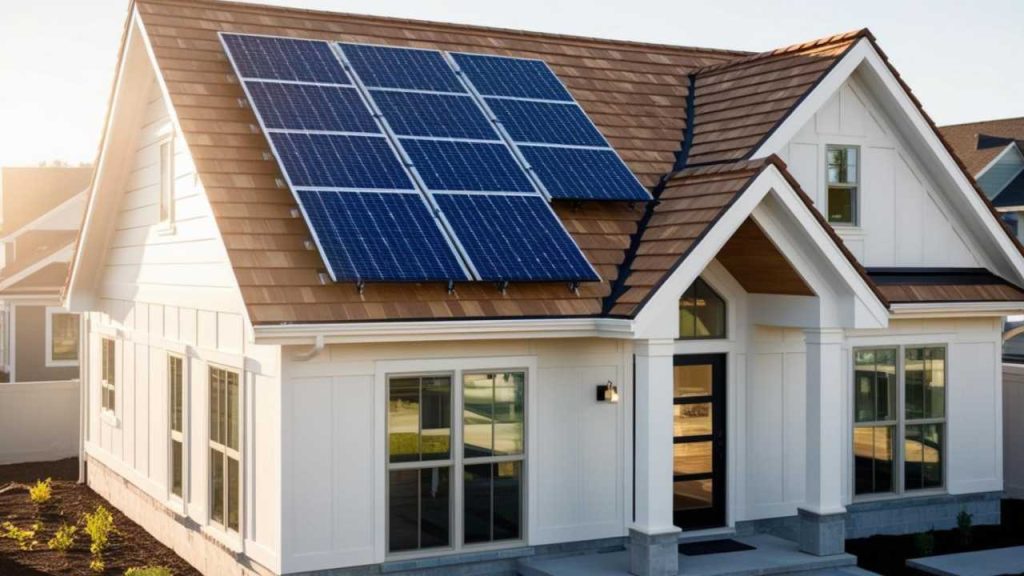
Homes with both east and west roof slopes can spread panels across both sides. This creates a smoother generation pattern from morning through to evening. Instead of a single midday peak, electricity is produced in smaller amounts over a longer period.
This often aligns better with daily energy use, especially in homes with heat pumps or EVs. In practice, many households find this setup delivers more usable power than a single south-facing layout.
How Does Roof Direction Affect Solar Output Compared to South?
A south-facing roof is usually used as the benchmark, producing close to the highest possible annual output. In Irish conditions, east- and west-facing roofs typically generate around 80 to 90% of that level, which is far closer than many people expect.
Homes with panels split across east and west slopes often achieve 85 to 95% of a south-facing system due to longer daily generation. The spread of production across the day can make more of that energy usable. In practice, the real difference in performance is often smaller than the headline percentages suggest.
Conclusion
Roof orientation plays a big role in how and when your solar panels generate electricity, but it is rarely a deal breaker. As covered in this guide on how orientation affects solar performance, south-facing roofs offer the highest overall output, while east, west, and split systems can still deliver strong, usable energy throughout the day.
In many Irish homes, matching generation to real household usage is just as important as total yearly output. If you are considering solar and want advice customised to your roof, layout, and energy needs, contact Going Solar today for clear, practical guidance and a customised assessment.