How Much Can You Save With Solar Panels?
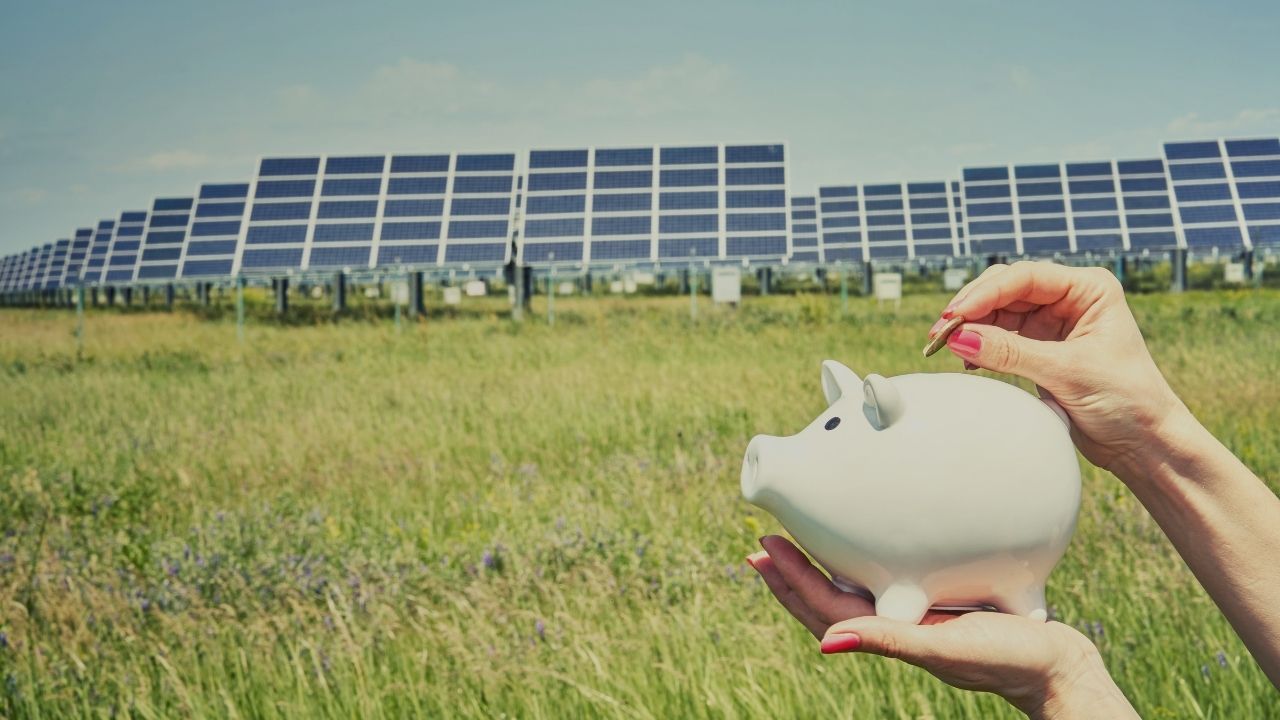
A typical Irish home with a 4kWp solar system saves around €700 to €900 a year at current electricity prices. The lower figure is for panels on their own. The higher one is for panels paired with a battery. Larger systems with home EV charging can go past €1,200.
How much you can save with solar panels depends less on panel count than most people expect. What decides your figure is how much of your solar power you use yourself and how much you export. In Ireland a unit you use at home is worth nearly twice a unit you sell to the grid.
The figures below are worked out step by step, so you can check them against your own bill.
How Much Solar Panels Save an Irish Home Each Year
A well-placed 4kWp system saves roughly €736 a year without a battery and €880 a year with one, based on the worked figures below. A 6kWp system with a battery and daytime EV charging can save about €1,284. That covers close to half of an average household electricity bill.
The worked examples use these inputs:
- Generation. 800kWh per kWp a year. That is the estimate the Department of Climate used in a Dáil answer on solar savings, and it is conservative for a south-facing Leinster roof.
- Import price. 32c per kWh, close to the September 2026 average standard unit rate of 32.47c.
- Export price. 17c per kWh, mid-range for current Clean Export Guarantee rates.
- Self-use. 40% without a battery and 70% with one. These are illustrative assumptions that vary from home to home.
| System | Annual generation | Used at home (value at 32c) | Exported (value at 17c) | Annual saving |
| 4kWp, panels only | 3,200kWh | 1,280kWh (€410) | 1,920kWh (€326) | €736 |
| 4kWp with battery | 3,200kWh | 2,240kWh (€717) | 960kWh (€163) | €880 |
| 6kWp with battery and EV | 4,800kWh | 3,120kWh (€998) | 1,680kWh (€286) | €1,284 |
The Department of Energy’s own estimate lines up with the middle row. It puts savings for a 4kWp system with a battery at as much as €900 a year.
Why Solar Power Used at Home Saves Nearly Twice What You Export
Every unit of solar power you use yourself replaces a unit you would have bought at around 32c. Every unit you export earns about 17c. So self-use is worth nearly double, and that is why two homes with identical systems can see very different savings.
Moving more of your usage into daylight hours raises your saving without adding a single panel:
- Run heavy appliances in daylight. Set the washing machine, dryer and dishwasher on timers for late morning or early afternoon.
- Add a hot water diverter. A diverter sends surplus solar to your immersion before it goes to the grid, which cuts gas or oil use for hot water.
- Store the surplus. A battery holds midday power for the evening peak. Our guide to solar PV with battery storage explains how sizing affects this.
- Charge an EV during the day. A car parked at home on sunny afternoons is the biggest single sink for spare solar.
- Pair it with a night-rate tariff. In winter, a battery can charge on cheap overnight electricity, which some suppliers price as low as 10c a unit.
Check your supplier’s export rate and unit rate together. Each supplier pays its own export rate, so switching for a higher export rate can backfire if the import price also goes up.
How Solar Savings Change Between Summer and Winter in Ireland
Most of your annual solar saving arrives between April and September. Export credits peak from June to August. From late October to mid-February, a small system of up to about 4kWp will only take a modest amount off your bills.
Bigger arrays hold up better in winter. A system of 5kWp or more on a south-facing, unshaded roof can still cover part of your daytime use on brighter winter days. Expect your bills to be lowest in summer and closer to normal in December, and judge the system on its full-year total.
How Grants and Tax Rules Add to Solar Panel Savings
Grants and tax rules don’t change your yearly saving. They lower what you pay upfront, which shortens your payback period. The main supports for homeowners right now are:
- SEAI solar PV grant. Up to €1,800, depending on system size.
- SEAI battery grant. A flat €600 for a battery of 5kWh or larger, introduced from 6 October 2026. Panels plus a battery can draw up to €2,400 in total.
- Wider eligibility. Homes built and occupied before 2025 now qualify, up from the previous pre-2021 cut-off.
- 0% VAT. Domestic solar supply and installation stay at the zero rate.
- Tax-free export income. Microgeneration income under the €600 disregard doesn’t need to be declared to Revenue.
Grant approval must be in place before any work starts. Check the conditions on the SEAI solar electricity grant page before you sign anything. As an SEAI-registered installer, we handle the full application for you. See our solar grants hub for each scheme in more detail.
How to Estimate Solar Savings for Your Own Home
The most accurate estimate starts with 12 months of your own usage. Pull this from your smart meter or recent bills, then check three things:
- How much electricity you use during daylight hours
- Which way your roof faces and how much shading it gets
- What import and export rates your current tariff pays
Then set the saving against the installed price to see how fast the system pays for itself. Our guide to the solar panel payback period in Ireland takes you through that sum.
A free survey turns these estimates into a figure based on your roof and your usage. We design each system around how your household uses power, so the saving you’re quoted is one you can actually reach. Request your free solar quote and we’ll come back to you within 24 hours.
Planning a switch to solar energy?
Contact Going Solar now and Get Free Advice & Quote Within Minutes!
Frequently Asked Questions
Contact Going Solar Now!
Joe Brennan
Founder @ Going Solar
Joe Brennan, the founder of Going Solar, is dedicated to making solar power mainstream in Ireland and meet SEAI objectives. With a focus on affordability and sustainability, he is bringing renewable energy solutions to homes, reducing costs & environmental impact.

Recent Posts
5 Features of Schletter German Flat Roof Ballasted System
What Are the Ireland’s Best Counties for Solar?
What is the Solar Panels VAT Rate in Ireland?

How to Prepare for Your BER Assessment?