Switching to solar energy is one of the smartest and most impactful investments a homeowner in Ireland can make. With rising energy costs and increasing environmental awareness, solar PV systems provide long-term savings, greater energy independence, and a cleaner future. Before solar panels are installed, however, there is one critical question to answer: Is your home, and more importantly, your roof, truly ready?
In this blog, you will learn how to evaluate your roof’s condition, identify potential obstacles, and take the right steps to ensure a smooth and successful solar panel installation.
Why Is a Checklist Essential Before Installing a Solar Panel on Your Roof?
Preparing a checklist before installing solar panels on your roof is essential for homeowners and renovators because it ensures the process is efficient, safe, and cost-effective. A well-structured checklist helps you evaluate critical factors such as roof condition, structural strength, orientation, shading, and local regulations before moving forward.
By addressing these points in advance, you can avoid unexpected repairs, delays, or additional expenses during installation. For renovators, a checklist also supports better planning and coordination with contractors, ensuring the roof is fully solar-ready and optimised for long-term energy performance.
Preparing Your Roof for Solar Panels: A Checklist for Homeowners and Renovators

In the following step-by-step checklist, we break down everything you need to inspect, fix, and plan before your solar panels go up, ensuring your home is fully prepared for a reliable and efficient solar energy system.
1. Examine Whether Your Home Is Suitable for Solar Panels
The good news is that most homes in Ireland are suitable for solar PV systems. That said, a few key factors influence how efficient your system will be once installed. These include roof space, orientation, structure, and exposure to sunlight.
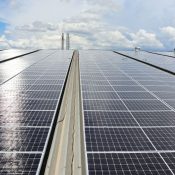
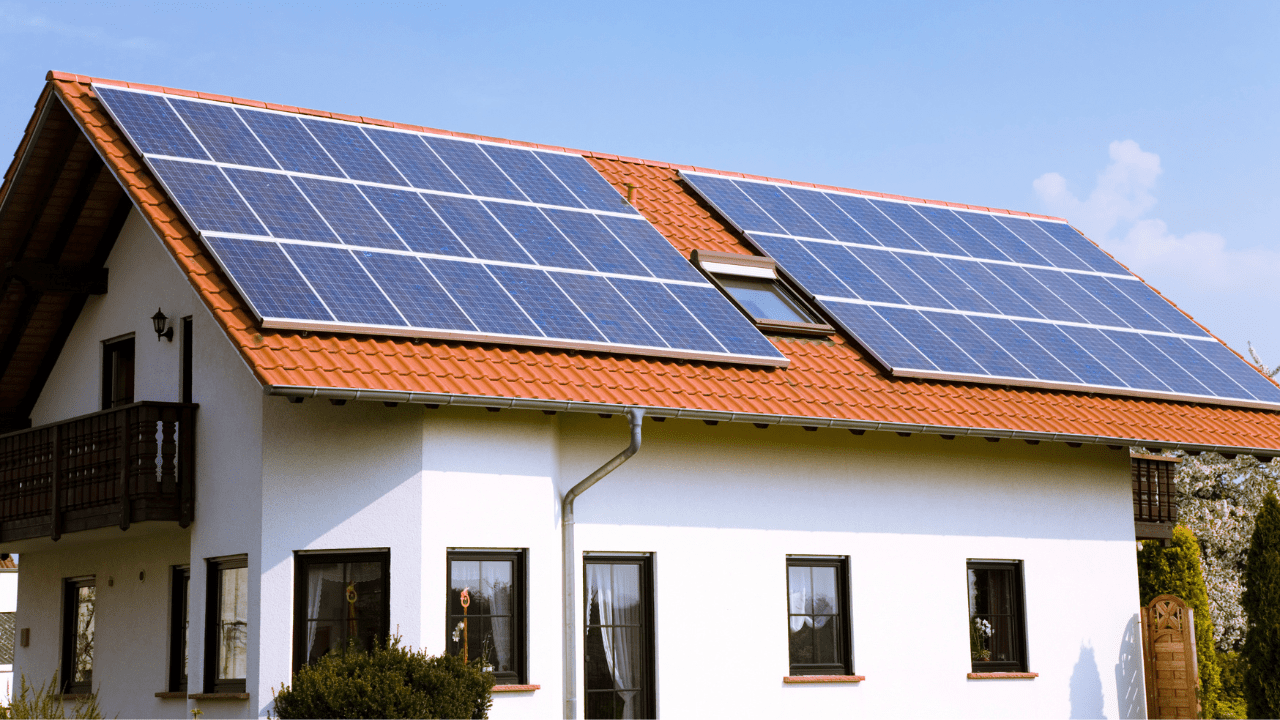
A home is generally considered suitable if your roof has at least 15 to 20 square metres of unshaded space. South-facing roofs are ideal for maximum sun exposure, although east- and west-facing roofs can also generate significant energy. The roof must also be structurally sound and in good condition to support the solar panels.
Additionally, solar makes the most sense for households that use electricity during daylight hours. If you are working from home, running appliances often, or using an electric vehicle, you will benefit more from direct solar generation.
A registered installer will confirm the suitability of your home by conducting a full on-site survey and system design based on your energy habits and property layout.
2. Check the Structural Condition of Your Roof

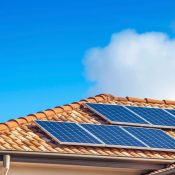
Your roof acts as the foundation of your solar panel system. It must be strong, intact, and capable of supporting the weight of the panels and mounting equipment. Most solar panels last 25 years or more, which means your roof should ideally have the same lifespan.
Before installation, check for signs of wear such as cracked or missing tiles, sagging, leaks, or moss buildup. If your roof is older or has visible issues, it is advisable to carry out repairs or consider a roof replacement before going solar. This will save you from having to remove and reinstall panels later for maintenance or structural fixes.
3. Limit Shade and Remove Roof Obstructions
Shade is one of the most common obstacles to solar efficiency. Trees, chimneys, neighbouring structures, and roof-mounted equipment can block sunlight and reduce the performance of your panels. Even partial shading for a few hours per day can impact the total energy output.
Although modern technology like optimisers and microinverters can reduce shading losses, it is still best to ensure your solar area is as clear as possible. Trim back any trees or vegetation that cast shadows, and discuss shading solutions with your installer during the planning phase.
4. Improve Your BER Rating and Energy Efficiency
To qualify for the SEAI Solar PV Grant, your home must achieve a Building Energy Rating (BER) of C or better after the installation. If your current rating is lower, you may need to carry out insulation upgrades, window replacements, or other energy efficiency improvements to meet this standard.
Upgrading attic insulation, sealing draughts, or replacing outdated heating systems can all improve your BER while increasing comfort and reducing heating bills. Many homeowners choose to combine these upgrades with solar installation to maximise overall savings and grant eligibility.
5. Apply for the SEAI Grant Before Installation Starts
The SEAI offers generous financial support for homeowners investing in solar energy. You can receive up to €1800 toward your solar PV system, depending on its size. However, the application must be submitted and approved before any work begins.
Here is a basic overview of the grant process:
- Choose a SEAI-registered solar PV installer
- Submit your application online via the SEAI website
- Wait for approval before beginning installation
- Complete the installation
- Schedule a post-works BER assessment
- Submit documentation to claim your grant payment
Most SEAI-approved installers will guide you through the entire grant process, including paperwork and follow-ups.
6. Upgrade Your Metres for Clean Export Guarantee (CEG) Benefits

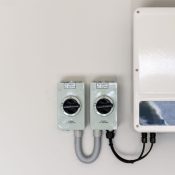
If you plan to sell excess electricity back to the grid, you will need a smart metres installed by ESB Networks. This allows you to benefit from the Clean Export Guarantee, where you are paid for unused energy that is exported.
Smart metres are also useful for tracking your solar energy production and usage in real time. They offer insights into your household’s electricity patterns and help you manage consumption more efficiently. If you do not have one yet, your installer can help you apply for a free upgrade.
7. Choose a Qualified and Trusted Installer
Selecting the right installer is just as important as the panels themselves. A SEAI-registered solar installer will ensure your system is safe, efficient, and eligible for government support. They will handle everything from the site survey to system design, grant paperwork, and aftercare.
Look for installers with experience, verified customer reviews, and industry certifications. A good installer will provide performance guarantees, clear pricing, and solid after-sales support.
8. Prepare for Installation Day
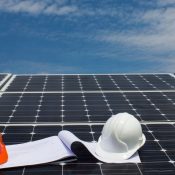
Installation usually takes one to two days, depending on system size and layout. To help the process go smoothly, ensure the installers have clear access to your roof, driveway, and the areas inside your home where the electrical components will be installed.
This may include the fuse board and, if you are adding a diverter or battery, access to your hot press or storage area. Discuss any specific preparation tasks with your installer in advance so you know what to expect.
Conclusion
Preparing your roof is the first step toward a smart, sustainable future. From checking roof health and shading to understanding grants and BER requirements, this checklist empowers you to take action with confidence. A well-prepared roof means a stronger, longer-lasting solar investment.
If you’re ready to reduce energy bills, boost home value, and embrace clean power, now is the time. Let the experts at Going Solar Company guide you through every step of preparing your roof for solar panels.