
Most homeowners picture solar installation as one busy day on the roof. The fitting itself often is that quick, half a day to a day for a typical house. The part that takes time sits either side of it, the survey and grant paperwork before, and the grid notification and BER after.
From first enquiry to a working system you are usually looking at four to eight weeks, and most of that is spent waiting on the ESB Networks application rather than on any physical work. Once the panels are up and switched on, you start generating from that day.
This guide walks through every stage in order, so you know what an SEAI registered installer does at each point and what is expected from you.
How Long Does Solar Panel Installation Take in Ireland?
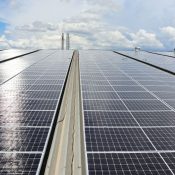
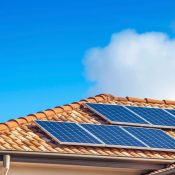
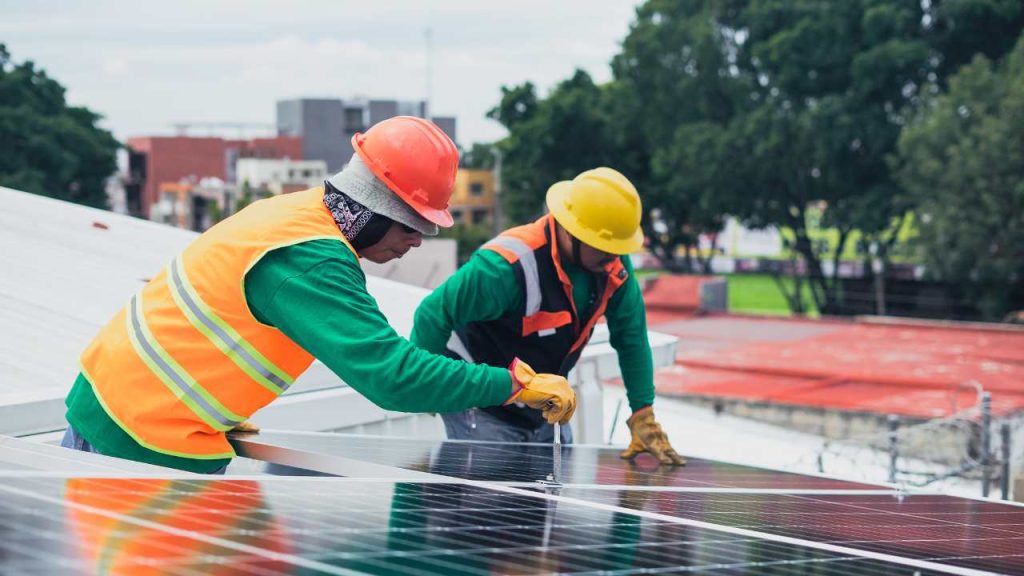
The physical install is the shortest part. A standard home system of 10 to 16 panels is usually fitted in half a day to a day by a team of around six people. Larger homes or trickier roofs can run to two or three days.
The full timeline from signing to switch-on is longer, mostly because of one step you cannot rush. Here is how a typical domestic project breaks down.
- Quote and site survey, a few days to a couple of weeks depending on availability
- System design and formal proposal, usually within a week of the survey
- SEAI grant application and Letter of Offer, allow a week or two
- ESB Networks notification, at least 20 working days (around four weeks), running in the background
- Installation day itself, half a day to three days
- Post-works BER and grant drawdown, a few weeks after the install
The ESB Networks step sets the pace, so a good installer starts it early and lets it run while everything else is arranged.
What Happens Before Installation Day?
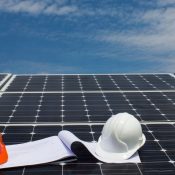
Most of the work before the crew arrives is about getting the system sized right and the paperwork started. Rush this part and you either end up with a system that does not match your usage or a grant that slips.
Choosing and Vetting Your Installer
Before anything else, you pick who does the work, and it matters more than people expect. Only an SEAI registered company can process your grant, and the electrical side has to be signed off by a Safe Electric registered electrician. It is worth having a short list of questions to ask before choosing a solar installer ready before you commit, because the cheapest quote and the best long-term result are not always the same company.
The Survey and System Design
Once you have chosen a company, they survey the property. A surveyor checks your roof structure, pitch and orientation, any shading from chimneys or trees, and where the inverter and cabling will sit. They also look at your electricity usage so the system is sized to your actual demand rather than a generic package. If your roof needs attention first, that gets flagged here, which is why running through a roof readiness checklist early is sensible, since small repairs are far easier to sort before the panels go up than after.
With the survey done, the company produces a bespoke design and a fixed quote matched to your roof and consumption.
Grant and Grid Paperwork
Two applications get started here. Through the SEAI solar electricity grant, homes built and occupied before 2025 can claim €700 per kWp up to 2kWp, then €200 for every additional kWp up to 4kWp, which caps the solar grant at €1,800. Add a battery and there is a further €600. You must have your Letter of Offer from SEAI before any work starts, so this is not something to leave until the end.
Every system that connects to the grid also has to be notified to ESB Networks. For a standard home system up to 6kW on a single-phase supply, your installer submits an NC6 form on your behalf. This is the ESB Networks micro-generation step, and it takes at least 20 working days, so it is started well ahead of the install. You cannot be paid for exported power until it is processed.
What Happens on Installation Day?
This is the part most people think of as the whole job. The crew arrives, usually around six people, and sets up roof access first. Mounting rails are fixed to your rafters, the panels are clamped on, and the cabling is run down to the inverter, which normally sits in the attic, garage or utility area.
The inverter is wired into your consumer unit by the Safe Electric electrician, and a generation meter is fitted. For a typical home this is done inside a day, and a tidy crew leaves the house as they found it, with cabling tucked away rather than left on show.
Before they leave, they commission the system, switch it on, and set up the monitoring app so you can see what you are generating from your phone. From that moment the panels are working.
What Happens After the Panels Are Fitted?
The system is live, but two things still need to happen on paper.
First comes the post-works BER. Every grant applicant has to get a new Building Energy Rating assessment after the work, carried out by a registered SEAI BER assessor. You cannot draw down the grant without it, and the new rating usually improves because the solar lowers your assessed energy use.
Once SEAI has your Declaration of Works, the BER and the supporting documents, the grant is paid straight into your bank account. Allow four to six weeks for that.
The last piece is getting paid for the power you do not use. With your NC6 processed and a smart meter in place, your electricity supplier pays you for surplus energy under the Clean Export Guarantee. It is worth understanding how selling electricity back to the grid works so you pick a supplier tariff that suits a solar home rather than staying on your current one by default.
Do You Need Planning Permission for Solar Panels?
For the large majority of Irish homes, no. Since October 2022 there is no limit on the area of roof panels a house can have, including homes inside the solar safeguarding zones near airports. The main conditions are that panels sit no more than 15cm off a pitched roof or 50cm off a flat roof, and stay at least 50cm from the roof edge.
There are exceptions. Protected structures and some buildings in architectural conservation areas still need permission, so if your home is listed it is worth checking the detail on planning permission for solar panels before you book anything. Ground-mounted arrays carry their own size limits that roof systems do not.
Conclusion
The install itself is quick. What makes a solar project run well is getting the survey, grant and ESB Networks steps lined up early, so the panels go up and start paying you back without delays dragging in the background.
If you want a clear timeline for your own home, Going Solar handles the full process from survey to grant drawdown and can tell you exactly what your roof and usage would support. Get in touch for a free quote and site assessment.