Best Solar Panels for Irish Climate
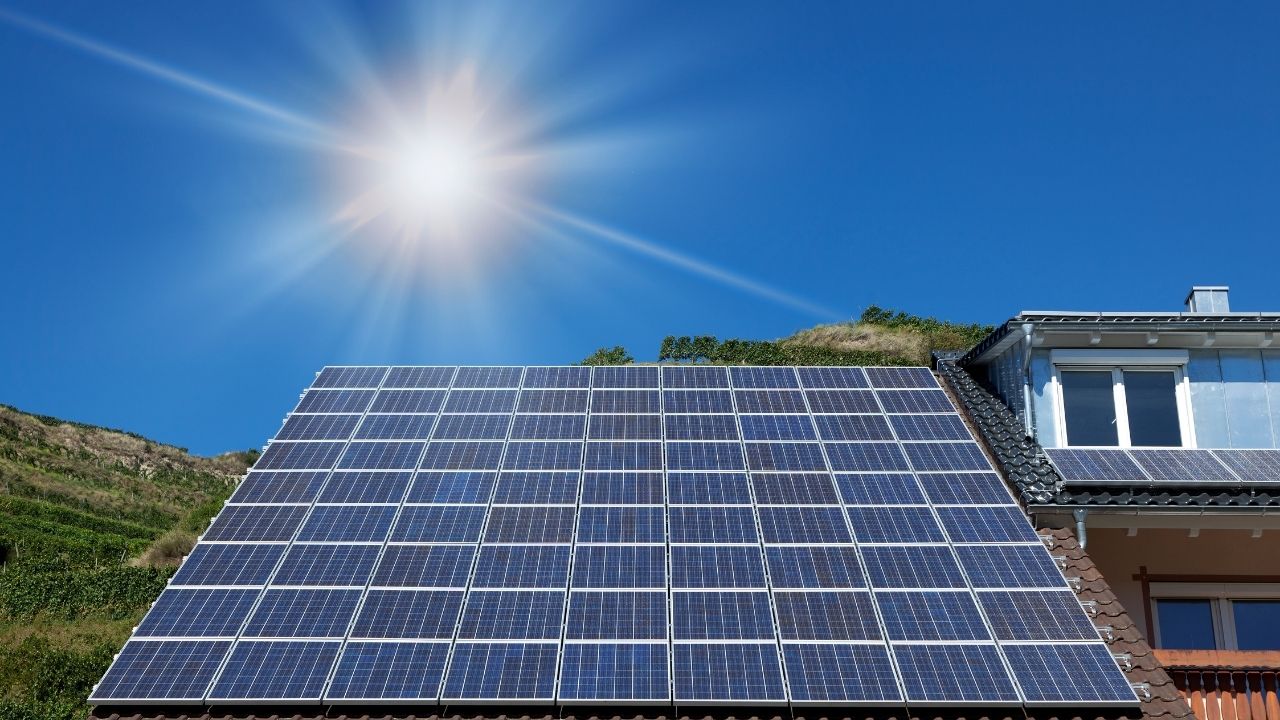
The best solar panels for Ireland are not the ones with the biggest headline wattage. They are the ones that keep producing on grey days, stand up to wind and damp, and come backed by a long warranty. For almost every Irish home that means a good monocrystalline panel from a Tier 1 or own-engineered brand, rather than a bargain panel picked on price alone.
Ireland does not get much strong direct sun, so a panel has to earn its keep in soft, cloudy light for most of the year. It also sits on your roof through Atlantic wind and rain for 25 years or more. Those two facts, low light and rough weather, decide which panels are actually worth fitting here.
This guide explains what matters when you choose, and the panels Going Solar fits for Irish homes and why each one holds up.
What Makes a Solar Panel Good for the Irish Climate?
Irish conditions are mild but dull. We rarely get the heat that bakes panels in southern Europe, and that is quietly good news, because panels lose efficiency as they get hot. The bigger challenge here is light. A lot of our daylight is diffuse, scattered through cloud rather than hitting the roof directly.
So the panel you want is one that does three things well.
- Holds its output in low and diffuse light rather than only performing in bright sun
- Resists wind uplift, driving rain and humidity without corroding or failing at the seals
- Degrades slowly, so it still produces strongly in year 20
Coastal homes have one extra thing to watch, which is salt in the air. Near the sea you want panels and mounting rated for salt mist, because cheaper hardware corrodes faster there. How much any panel loses to shade, dirt and dull spells is set out well in this look at the factors that affect real solar output, which is worth reading before you start comparing spec sheets.
Which Factors Should You Actually Compare?
Spec sheets are full of numbers. Only a few of them change how a panel performs on an Irish roof.
Low-Light and Cloudy-Day Performance
This is the one that matters most here. Look at how a panel behaves at low irradiance, which is the industry term for weak light. Better panels hold a higher share of their rated output when the light is poor, and that is the difference between a panel that only works in July and one that still earns in November. There is a fuller explanation of how panels behave under a grey sky in this piece on solar output on cloudy days, which matches what you can expect through an Irish winter.
Temperature Behaviour
Panels are rated at 25 degrees, and they lose a little output for every degree above that. The figure to find is the temperature coefficient, and a smaller number is better. In Ireland this rarely bites because our summers are mild, but it still tells you how well the cells are built.
Warranty and Degradation
A solar panel is a 25-year decision, so the warranty is part of the product and not an afterthought. Check two things. The product warranty covers faults, and 10 to 15 years is common while the best brands go to 25. The performance warranty promises a minimum output in later years, often around 85 to 90 per cent after 25 years. A low yearly degradation rate simply means more free electricity for longer.
Which Panels Does Going Solar Fit for Irish Homes?
Rather than sell one panel to everyone, the range is matched to the roof and the budget. Three panels cover most Irish homes.
Topco is Going Solar’s own-brand panel, built specifically for Irish conditions of rain, wind and humidity, and backed by a 25-year warranty. Because it is designed around the weather it will sit in, it is a safe default for a typical home.
Jinko is a global Tier 1 panel with a strong performance-to-cost balance, which makes it a sensible pick when you want proven hardware without stretching the budget. There is a closer look at where it fits in this review of the Jinko panel for Irish homes, which goes into its output and warranty in more detail.
AE Solar is German-engineered and chosen for durability and steady output across variable conditions, which suits exposed or coastal sites where the weather is harder on the hardware.
Is Monocrystalline the Best Type for Ireland?
For nearly every home, yes. Monocrystalline panels give the most output per square metre and hold up best in low light, which is exactly what an Irish roof needs. They cost a little more than older polycrystalline panels, but the gap has narrowed and the extra yield is worth it when roof space is limited.
Polycrystalline panels still work, but they are less efficient and need more roof area for the same output, so they have fallen out of favour on homes. Thin-film panels are cheap and light but far less efficient, which makes them a poor fit for a normal house. They mainly suit very large commercial roofs where space is not the constraint.
Getting the panel type right matters less than people expect once you have chosen a quality monocrystalline panel. What then makes the real difference to your yearly output is the roof itself, which is why it is worth setting the best roof angle for your panels so they catch as much of the low Irish sun as possible.
Conclusion
The best panel for your home is the one matched to your roof, your budget and the weather it will live in, not the one with the biggest number on the box. A quality monocrystalline panel with a long warranty will serve almost any Irish home well.
Whatever you choose, it has to be fitted by an SEAI-registered installer for the grant to apply, so the panel and the installer are really one decision. If you want a straight answer on which panel suits your roof, Going Solar will assess your home and recommend the right one. Get in touch for a free quote.
Planning a switch to solar energy?
Contact Going Solar now and Get Free Advice & Quote Within Minutes!
Frequently Asked Questions
Contact Going Solar Now!
Joe Brennan
Founder @ Going Solar
Joe Brennan, the founder of Going Solar, is dedicated to making solar power mainstream in Ireland and meet SEAI objectives. With a focus on affordability and sustainability, he is bringing renewable energy solutions to homes, reducing costs & environmental impact.

Recent Posts
5 Features of Schletter German Flat Roof Ballasted System
How Much Does a 16kw Solar System Cost in Ireland?
What Are the Ireland’s Best Counties for Solar?

What is the Solar Panels VAT Rate in Ireland?