Whether more solar panels or more batteries is “better” comes down to what you want from the system. Extra panels boost how much electricity you generate and can cut daytime imports, while extra battery capacity helps you use more of your own power in the evening and can provide backup during outages (if the system is set up for it).
For most homes, the sweet spot is a balanced design: enough panels to cover daytime demand and regularly fill the battery, with enough storage to carry that surplus into the night without paying for capacity you rarely use.
What You’re Buying: Generation Vs Self-Use
Extra panels increase yearly generation. Storage does not create electricity; it shifts some midday surplus into the evening.
Two truths:
- When generation is short, storage cannot fix the gap.
- When surplus is common on bright days, storage can lift self-use and cut evening import.
Do You Have Spare Roof Space?

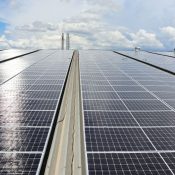
With unused roof area, a decent pitch, and low shading, extra panels are often the cleanest route into bigger bill cuts. They reduce grid import whenever sunlight hits the array, even without storage.
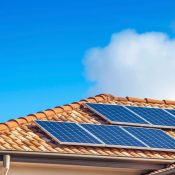
With tight roof area, awkward angles, or heavy shading, extra panels can bring smaller gains. In that case, storage or better daytime load planning can beat squeezing in another panel.
Does Your Meter Show Export Most Days?
This is the easiest signal. If the meter shows export around late morning and mid-afternoon, the home already makes more than it uses at that time.
From there, two sensible routes exist:
- Shift more use into daylight (immersion diverter, laundry, dishwasher, EV top-up).
- Store surplus and use it later.
Export payments under the Clean Export Guarantee can soften the hit, yet strong savings usually come from using your own electricity on site. A practical read on export set-up sits in Going Solar’s guide to selling electricity back to the grid, and it’s a good checkpoint before you compare supplier rates and timelines.
Is It the Best Usage in the Evening?
Storage shines when household demand stacks up after work.
Common examples:
- Cooking plus kettle, oven, hob, lights, and telly.
- Electric showers and tumble dryers run in the evening.
- EV charging after you arrive home.
- Heat pump schedules that ramp in the evening or overnight.
With a busy daytime house (work-from-home, someone home, steady appliance use), a good share of solar may already get used directly. Extra storage may take longer paying back unless export is already frequent.
When Extra Solar Panels Usually Win
Daytime Import Still Shows Up
If the home buys electricity while the sun is up, generation is under-sized. Extra panels cut that import directly, which is why many homes start by pushing panel count as far as the roof sensibly allows.
You Want More Output Across Spring and Autumn
Irish winters bring short daylight hours, yet extra panels can still lift output across spring and autumn, when many homes see the biggest bill relief. Solar PV will not cover everything in winter, but more output in shoulder months makes the system feel worthwhile more often.
You Plan Around the SEAI Solar PV Grant
The SEAI Solar PV grant supports solar PV installed under the microgeneration set-up, and the official SEAI Solar PV grant details are the right place to confirm the latest steps before booking work. If you want it in plain English, Going Solar’s breakdown on grant eligibility for solar panels in Ireland helps you sanity-check the basics before you apply.
When Extra Battery Storage Usually Win

Midday Export Plus Evening Import
That pattern is the classic “battery case”. The home already makes enough; it just arrives at the wrong time, so storage shifts that surplus into the hours you actually need it.
The Roof Is Maxed Out
When no sensible roof space remains, storage becomes the main lever left. This is especially true on complicated roofs where the remaining space is shaded or north-facing.
You Want More Control Over Evening Demand
A well-sized battery can shave evening import by covering predictable night-time loads, but the main point is sizing around real routines. Going Solar’s guide on what size solar battery you need is useful here because it ties battery capacity back to usage, not hype.
You Want a Local Cost Context
Battery pricing varies by home and kit, and it remains a sizable line item. Going Solar’s overview of solar battery cost in Ireland gives a grounded feel for what influences pricing, and it’s handy when weighing up a bigger battery versus a few more panels.
A Simple Rule You Can Use Right Now
- If the home imports during the day, panels come first.
- If the home exports during the day, storage (or daytime load shifting) usually comes next.
- If both happen, a balanced approach often works: modest storage plus a panel count that fits the roof and inverter.
One Ireland-specific point: system design can be shaped by grid connection limits and registration steps, so it pays to check the quote against ESB Networks guidance on microgeneration connection rules, especially on a three-phase supply.
When You Need a Proper Site Survey
Get a tailored design if any item below applies:
- Mixed roof angles or shading.
- An EV, a heat pump, or both.
- Uncertainty around inverter sizing or export set-up.
- Backup-style operation during outages (not every system includes that wiring).
Going Solar installs residential and commercial solar PV across Dublin, Wicklow, Kildare, Meath, Louth and Cavan, and offers written warranties plus 24/7 emergency callouts. If you want a straight answer based on your bill and roof, the quickest route is to run the solar calculator first, then book a consultation for a detailed design and quotation.
Conclusion
If roof space exists and daytime import still appears, panels are the sensible next spend. If midday export is frequent and evening import stays high, storage is usually where extra savings sit. Either way, the strongest systems are sized around real routines, not brochure numbers, so a proper site survey is what turns a decent quote into a setup that feels right year after year.