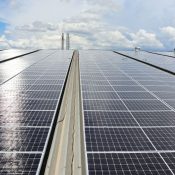
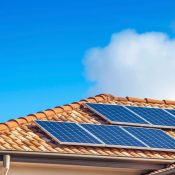
Night rate electricity in Ireland is a billing plan that charges you less for power used during off-peak night hours, usually overnight, in exchange for a slightly higher day rate. It runs on a day/night meter or a smart meter set to a time-of-use plan, and it rewards you for shifting heavy usage away from busy daytime hours.
For the right household, a night rate tariff can trim a real chunk off your bill. The savings depend entirely on how much of your usage you can move into the cheaper window. If most of your power is drawn during the day, a standard flat rate often works out cheaper.
This guide covers how night rate electricity works, the hours that apply, who actually benefits, and how it pairs with solar and battery storage for 2026.
How Does Night Rate Electricity Work in Ireland?
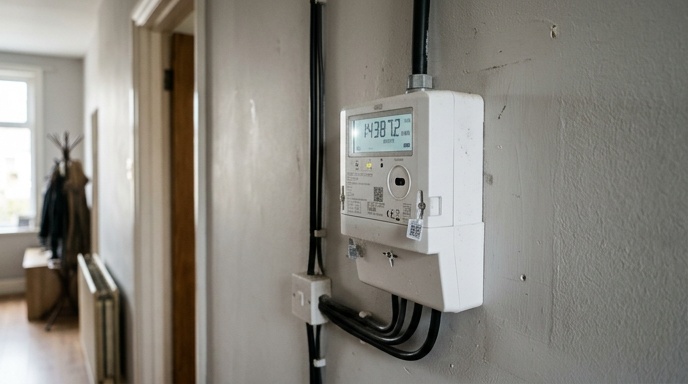
Night rate electricity works by splitting your day into two pricing periods. You pay a lower unit rate for electricity used during the night window and a higher rate during the day. The meter records each separately, so your bill reflects when you used power, not just how much.
There are two common setups:
- A traditional day/night meter, which has two registers and switches automatically at set times.
- A smart meter on a time-of-use plan, which can offer multiple pricing bands including a peak evening period.
The catch is the higher day rate. If you run washing machines, dishwashers and heating during the day, a night rate plan can cost you more overall. The plan only pays off when you genuinely shift load into the cheaper hours.
What Are the Night Rate Electricity Hours in Ireland?
Night rate hours in Ireland typically run for an eight-hour block overnight, with the exact window set by your supplier and meter type. On a standard day/night meter the night period commonly runs from around 11pm to 8am in winter, shifting by an hour with the clocks in summer.
Smart meter time-of-use plans split the day more finely. A typical structure looks like this.
| Period | Typical Window | Relative Cost |
|---|---|---|
| Night | 11pm to 8am | Lowest |
| Day | 8am to 5pm | Standard |
| Peak | 5pm to 7pm | Highest |
Windows vary between suppliers, so check your own plan before you rely on a time. The smart meter rollout managed by ESB Networks smart metering has made these finer time bands far more common across Irish homes.
Who Benefits Most From Night Rate Electricity?
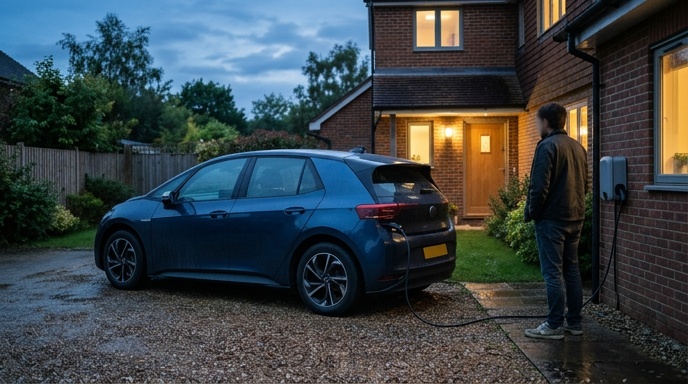
Night rate electricity suits households that can move a large share of their usage into the overnight hours. If you can run big appliances at night and heat water or charge a car while you sleep, the lower unit rate starts to pay for the higher day charge.
The strongest candidates are usually:
- Homes with an electric vehicle charged overnight.
- Households using electric storage heaters or a hot water immersion on a timer.
- Homes with a solar battery that can charge off cheap night power.
- People happy to run dishwashers and washing machines on delay timers.
If your home is empty all day and busy in the evening peak, the maths can turn against you. Run the numbers on your own usage pattern before switching, because the plan only rewards a genuine shift in behaviour.
Is Night Rate Worth It Without an EV or Battery?
For most homes without an EV or battery, a flat rate is simpler and often cheaper. Timed appliances alone rarely move enough usage into the night window to beat the higher day rate. The savings tend to be small unless you can shift a substantial block of consumption.
How Does Night Rate Electricity Work With Solar Panels?
Night rate electricity and solar panels work together through a battery. Your panels generate free power during daylight, and a battery stores any surplus for the evening. On nights when the battery runs low, you top it up with cheap night rate power rather than expensive day units.
This gives you three layers of cheaper energy:
- Free solar generation during the day.
- Stored solar power used in the evening peak.
- Low-cost night rate electricity to refill the battery when needed.
An engineering-led system is designed so the battery and tariff complement each other instead of fighting over the same hours. Getting the sizing right matters, which is why a proper survey beats guesswork. You can learn more about how a full home solar system is designed around your usage before committing.
How to Switch to a Night Rate Electricity Plan
Switching to a night rate plan starts with checking what meter you have, then comparing time-of-use tariffs against your current usage. The process is straightforward once you know your consumption pattern and whether your meter supports it.
Follow these steps:
- Check whether you have a standard, day/night or smart meter.
- Pull a year of bills to see how much power you use and when.
- Compare night rate tariffs on an independent tool like the CRU accredited price comparison services.
- Factor in the higher day rate, not just the attractive night price.
- Contact your chosen supplier to switch plan or request a smart meter.
If you already have solar or plan to install it, speak to your installer about matching the tariff to your system. The right pairing of battery and night rate can push your bill reduction well beyond solar alone.
Night Rate Electricity Myths Worth Clearing Up
The biggest myth is that night rate electricity is always cheaper. It is only cheaper if you actually shift usage into the night window, because the day rate is higher to balance it out. A home that runs everything during the day can end up paying more than on a flat tariff.
A few other common misunderstandings:
- You do not need to stay up late. Timers and smart appliances do the work for you.
- Smart meters do not force you onto a night plan, they simply make one possible.
- Solar export and night rates are separate things, one earns, one saves.
Treat the headline night price with caution and judge the whole plan against your real usage. That is the only way to know if it genuinely saves you money.
Making Night Rate Work for Your Home
Night rate electricity rewards households that can shift real usage into off-peak hours, and it works best alongside a battery and solar system that spreads cheap power across the whole day. On its own it suits EV owners and storage heater homes more than anyone else.
If you want a system designed so your tariff, battery and panels all pull in the same direction, get a free solar assessment and our team will size everything around how your home actually uses energy.