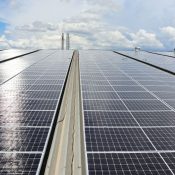
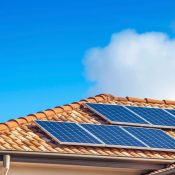
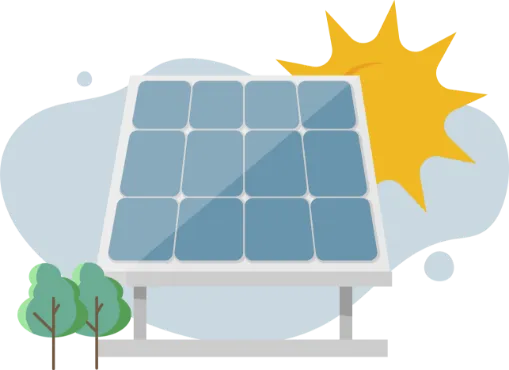
Flat roofs are more common in Ireland than most people realise. Extensions, dormers, garages, apartment blocks, and plenty of commercial buildings all sit under one. The good news is that solar panels on a flat roof work just as well as pitched roof installs when the design is done properly, and in some cases they work even better.
Here’s the short answer. A flat roof solar system uses tilted mounting frames to angle the panels toward the sun, usually at 10 to 15 degrees. Most homes fit a 4kWp to 6kWp system, with costs typically between €6,000 and €12,000 after the €1,800 SEAI grant. The setup can be ballasted (weighted down) or penetrative (fixed through the roof membrane).
Below, we’ll walk through how flat roof solar works in Irish conditions, what it costs, what mounting options exist, and the practical issues you need to think about before signing off on a design.
How Do Solar Panels Work on a Flat Roof?
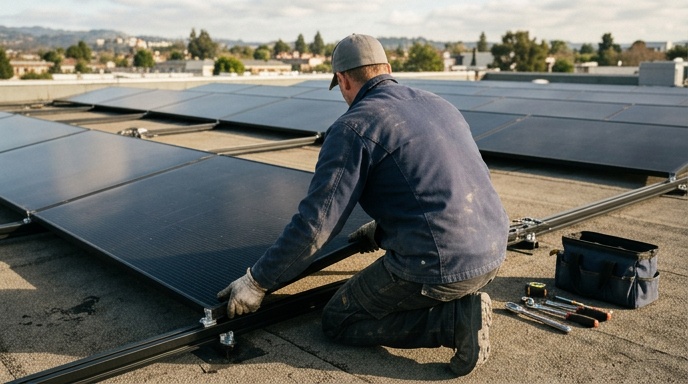
Solar panels on a flat roof are mounted on angled frames that tilt the panels toward the sun, usually facing south at 10 to 15 degrees. The frame lifts one edge of the panel, creating the pitch needed to maximise sunlight and shed rainwater. The rest of the system works exactly like a pitched roof install.
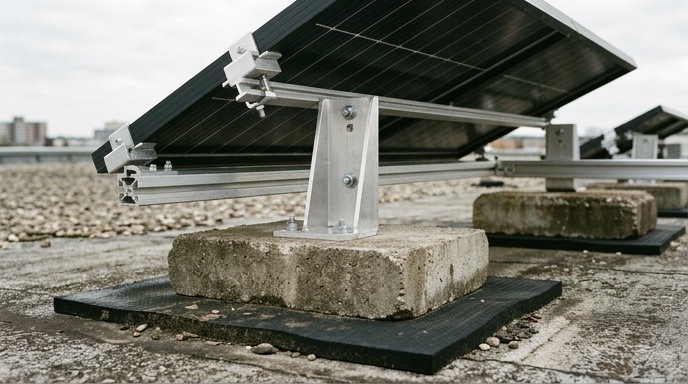
The main difference is the mounting hardware. On a slate or tile roof, brackets clip onto the rafters. On a flat roof, the panels sit on either a ballasted frame (weighted down with concrete blocks) or a penetrative frame (bolted through the roof deck). The rest of the kit is identical.
- Panels tilted at 10 to 15 degrees for optimal Irish sun exposure
- South-facing orientation preferred, but east-west layouts also work well
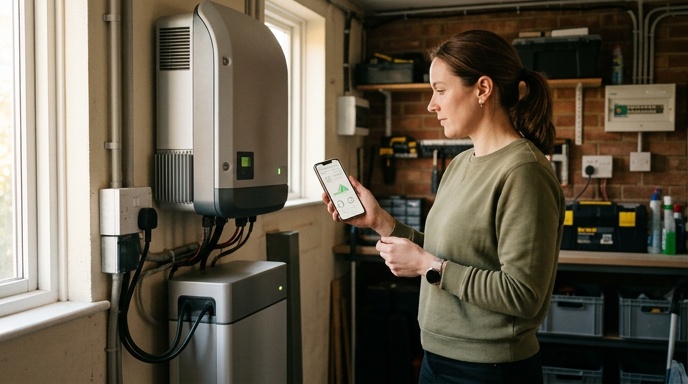
- Inverter converts DC power from the panels into usable AC electricity
- Optional battery stores excess power for evening use
- Smart meter tracks generation and export to the grid
A shallower tilt on a flat roof also means panels can be laid in east-west rows, doubling up the number of panels that fit in the same footprint. That’s a big advantage on commercial buildings and larger homes.
What Does a Flat Roof Solar System Cost in Ireland?
A typical residential flat roof solar system in Ireland costs between €6,000 and €12,000 after the SEAI grant, depending on system size, mounting type, and whether a battery is included.
Commercial systems scale up from there, with a 20kWp setup generally landing in the €25,000 to €35,000 range before grants.
Flat roof installs usually carry a small premium over pitched roof jobs. The frames, ballast, and extra labour may occur, adding roughly 5 to 10 percent to the cost. So, make sure you must know how to budget for unknown expenses in construction.
Residential Cost Breakdown
- 4kWp system without battery: roughly €7,500 to €9,000 after grant
- 6kWp system without battery: roughly €9,500 to €11,500 after grant
- Battery storage add-on: €3,000 to €5,000 depending on capacity
- SEAI grant deducts up to €1,800 from the total
- 0% VAT applies to solar installations in Ireland, lowering the sticker price further
Commercial and Farm Cost Ranges
Commercial flat roof systems are common on offices, warehouses, and industrial units. A 20kWp system produces around 17,300 kWh a year and saves roughly €6,000 annually.
Payback typically lands at 4 to 7 years, with an ROI between 14% and 25% over the panel lifespan. The Non-Domestic Microgen Grant covers up to €162,600 for eligible commercial projects.
Ballasted vs Penetrative Mounting: Which One Suits Your Roof?
Ballasted mounting uses weighted trays to hold panels in place without drilling into the roof. Penetrative mounting bolts through the roof membrane into the structure below.
The right choice depends on your roof’s load capacity, membrane type, and how much wind exposure the site gets.
When Ballasted Systems Work Best
Ballasted systems are the default choice for most Irish flat roofs. They preserve the waterproof membrane, install quickly, and can be relocated if needed. They suit concrete decks, strong timber decks, and most commercial flat roofs where load capacity isn’t a concern.
When Penetrative Systems Are Needed
Penetrative mounting is used where ballast weight would exceed the roof’s load rating, or where wind uplift is a serious risk. Coastal properties and taller buildings often fall into this category.
A properly sealed penetrative fix will not leak, but it does require care during installation and a solid understanding of the membrane type.
Is Your Flat Roof Suitable for Solar Panels?
Most flat roofs in Ireland are suitable for solar, but three factors decide it: structural load capacity, roof condition, and shading. A qualified installer will assess all three during the site survey and confirm whether your roof needs any reinforcement before the panels go up.
Load Capacity
A ballasted system adds roughly 15 to 25 kg per square metre. Most modern flat roofs handle this without issue, but older buildings, timber-decked garages, and lightweight house extensions sometimes need a structural check. If load is a problem, a penetrative fix or a lighter east-west layout can usually solve it.
Roof Age and Condition
Solar panels typically last 25 years or more. If your roof membrane is nearing the end of its life, replace it before installing solar. Removing and refitting panels later to fix a leaking roof is expensive and avoidable. A good rule of thumb is that the membrane should have at least 15 to 20 years of life left in it.
Shading and Orientation
- South-facing layouts produce the most annual generation
- East-west layouts spread production across the day, ideal for daytime self-consumption
- Parapet walls, chimneys, and adjacent buildings can cast shade, reducing output
- A shading analysis during the site survey identifies any problem areas
What Grants and Incentives Apply to Flat Roof Solar?
- SEAI Solar Electricity Grant up to €1,800 for homes built before 2021
- Non-Domestic Microgen Grant up to €162,600 for commercial buildings
- TAMS 3 covers 60% of eligible costs for farms, up to €90,000 investment ceiling
- 0% VAT on residential solar installations
- Export payments for excess electricity sold back to the grid
For the full grant criteria and application process, check the official SEAI Solar Electricity Grant page.
If you want a rough estimate before booking a survey, our solar calculator gives you a starting point in a couple of minutes.
Getting Started with Flat Roof Solar
Flat roof solar is a strong option for Irish homes and businesses. The mounting hardware is proven, the grants are the same as pitched roof installs, and east-west layouts often fit more panels than a comparable sloped roof.
The key is getting the design right from the start, which means a proper site survey, a load assessment, and a mounting choice that matches your roof type.
If you’d like a tailored quote for your property, get in touch with our team to arrange a free site survey and design proposal.