20 KWh Solar System Cost in Ireland
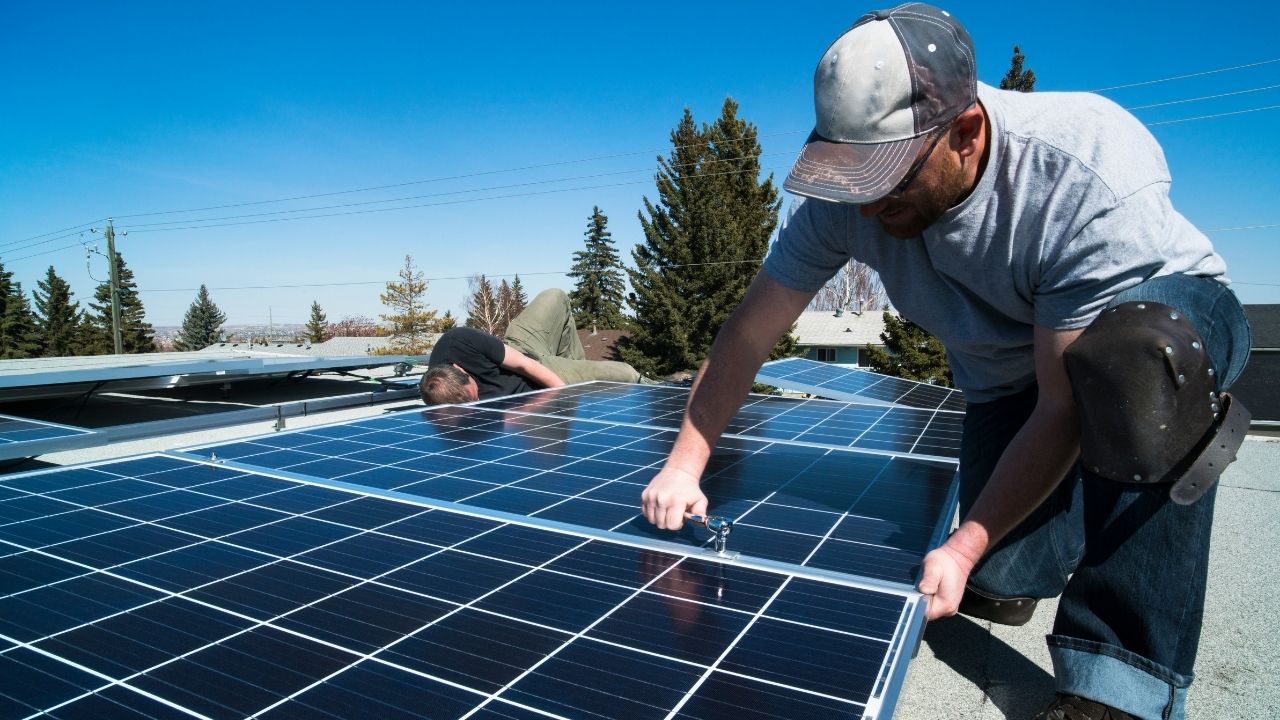
The cost of a 20 kWh solar system in Ireland usually runs from about €8,700 after the SEAI grant up to roughly €16,000 for a larger or battery-inclusive install. A system that size sits at the top of the home market.
There is a catch worth clearing up first. 20 kWh is a measure of energy, not system size, so a “20 kWh system” is not a fixed product you can price off a shelf. What people usually mean is a system that can generate around 20 kWh of electricity on a good day, and in Irish conditions that points to a specific panel size.
So the price comes first below, then the size you actually need to hit that figure, the grant support available, and whether a battery earns its place.
How Much Does a 20 kWh Solar System Cost in Ireland?
A system sized to produce around 20 kWh a day typically costs from about €8,700 after the SEAI grant to roughly €16,000 for larger or battery-inclusive builds. It sits at the top of the home market, because the output most houses actually use in a day is well below 20 kWh.
As a market guide, here is what homes of different sizes typically pay after the standard panel grant. These are typical 2026 market figures, not a quote.
| Home type | Panels | System size | Typical cost after grant |
| Small terraced | 4 | ~1.8 kWp | €4,800 |
| 2-bed terraced | 8 | ~3.5 kWp | €5,900 |
| 3-bed semi-detached | 10 | ~4.4 kWp | €6,100 |
| 4-bed detached | 12 | ~5.3 kWp | €7,400 |
| 6-bed detached | 16 | ~7 kWp | €8,700 |
A 20 kWh-a-day target sits above even the 6-bed figure, so a system in that territory means 16 or more panels and a cost at or beyond the €8,700 mark before any battery. Larger or premium installs run up towards €16,000.
Your own figure depends on your roof, your usage and the kit specified, so it is worth running the numbers for your property. If 20 kWh looks like more than you need, the cost of a 6kWp system covers a more typical family home.
What a 20 kWh Output Means in Panel Size (kWp)
To generate around 20 kWh on a strong day, most Irish homes need roughly a 6kWp to 8kWp system, or about 14 to 20 panels. kWp measures the panel capacity, while kWh measures the energy produced, so the two are not the same and should never be swapped.
In Irish conditions a kWp of panels produces roughly 850 to 950 kWh over a full year, so a 6kWp system makes somewhere around 5,000 to 5,700 kWh annually. Spread across the year, that averages well under 20 kWh a day, because output swings hard with the seasons.
On a bright summer day a 6kWp array can push past 20 kWh. In December it may manage only 3 to 5 kWh. No home system here produces 20 kWh every single day, so a “20 kWh system” is best read as one built to hit that figure at its summer peak.
The size that suits you comes down to a few things:
- Your daily electricity use, especially through the brighter months
- How much of that use falls in daylight hours
- Available roof space and orientation, since 16 or more panels need a sizeable south-facing or east-west roof
- Whether a battery will shift daytime generation into the evening
SEAI Grants on a Solar System This Size
The SEAI grant on a system this size is capped at the same level as any home system, because it only covers the first 4kWp of panels. That means a fixed maximum of €1,800 for the panels, plus €600 for a qualifying battery, so up to €2,400 in total.
The support sits under SEAI’s solar electricity grant, and on a larger array the key point is that the ceiling does not move with the system size.
The current grant works on a per-kWp scale:
- €700 per kWp for the first 2kWp
- €200 per kWp for the next 2kWp, up to 4kWp
- A maximum of €1,800 once a system reaches 4kWp
- A separate €600 for a battery of at least 5 kWh
Because the ceiling is fixed at 4kWp, the grant is a flat offset on a 6kWp or 8kWp system, not a percentage of the bill. The rest of the cost is yours, though domestic installs carry 0% VAT on the supply and fit, which already takes the sting out of the headline price.
The eligibility rules are short. The home must have been built and occupied before 2025, and the work must be done by an SEAI-registered installer. The grant is paid to the homeowner once the job is verified, and the current solar grant rules set out the full criteria.
What Drives the Price of a Larger Solar System
Four things move the price of a system this size the most: the number and quality of the panels, the inverter type, whether you add battery storage, and how complex your roof and electrics are. Storage is usually the single biggest swing, often adding a few thousand euro.
- Panel count and quality. More panels and higher-output or premium models raise the price but suit a larger array.
- Inverter type. A hybrid inverter costs more than a basic string unit and is worth it if a battery is coming.
- Battery storage. The biggest optional add-on, and the main reason two 7kWp quotes can differ by thousands.
- Roof and access. Steep, slated or multi-face roofs, and any scaffolding, add labour.
- Electrical upgrades. A larger system can need a board or supply upgrade, especially in older homes.
A panel-only system is the cheapest route to 20 kWh of daytime generation. Adding storage pushes the cost up but lets you use far more of what you make, which is where the longer-term savings come from.
Do You Need a Battery With a 20 kWh System?
A battery is not essential, but on a system this size it usually pays off, because a large array makes far more midday electricity than a home can use at once. Without storage, that surplus is exported for a low rate instead of covering your evening use.
Storage lets you bank the midday peak and draw on it after dark, when demand and prices are highest. The right size depends on your evening usage, not the panel size, so a bigger array does not automatically need a bigger battery. Matching the two is its own question, and what size solar battery you need walks through it.
A qualifying battery of at least 5 kWh also unlocks the €600 grant and, when installed under the same contract as the panels, keeps the 0% VAT rate.
A 20 kWh solar system is really a large home array built to hit that output on its best days, and the price reflects the size, from around €8,700 after the grant up to the mid-teens of thousands with storage. The grant helps, but it is a fixed slice on a system this big, so the real levers are the equipment you choose and how much of your own power you use.
For a figure matched to your roof and your usage rather than a market average, request a free quote and we will size it properly.
Planning a switch to solar energy?
Contact Going Solar now and Get Free Advice & Quote Within Minutes!
Frequently Asked Questions
Contact Going Solar Now!
Joe Brennan
Founder @ Going Solar
Joe Brennan, the founder of Going Solar, is dedicated to making solar power mainstream in Ireland and meet SEAI objectives. With a focus on affordability and sustainability, he is bringing renewable energy solutions to homes, reducing costs & environmental impact.

Recent Posts
5 Features of Schletter German Flat Roof Ballasted System

What Are the Ireland’s Best Counties for Solar?

What is the Solar Panels VAT Rate in Ireland?

How to Prepare for Your BER Assessment?